Waqas Ahmad — Software Architect & Technical Consultant - Available USA, Europe, Global

Waqas Ahmad — Software Architect & Technical Consultant

Specializing in

Distributed Systems

.NET ArchitectureCloud-Native ArchitectureAzure Cloud EngineeringAPI ArchitectureMicroservices ArchitectureEvent-Driven ArchitectureDatabase Design & Optimization

👋 Hi, I'm Waqas — a Software Architect and Technical Consultant specializing in .NET, Azure, microservices, and API-first system design..
I help companies build reliable, maintainable, and high-performance backend platforms that scale.

Experienced across engineering ecosystems shaped by Microsoft, the Cloud Native Computing Foundation, and the Apache Software Foundation.

Available for remote consulting (USA, Europe, Global) — flexible across EST, PST, GMT & CET.

microservices
Microservices Architecture

Microservices Architecture Services - Remote Consultant - Available USA, Europe, Global - 17+ Years Experience
Remote Available: USA, Europe, Global | Flexible Timezone (EST, PST, GMT, CET)

Design and implementation of scalable microservices-based applications using Azure Service Fabric, Docker containers, and modern architectural patterns. Build systems that scale, evolve, and perform.

Scalability - Microservices Architecture Services - Remote Consultant

Scalability

Independent Scaling
Deployment - Microservices Architecture Services - Remote Consultant

Deployment

Independent Release
Resilience - Microservices Architecture Services - Remote Consultant

Resilience

Fault Isolation
Technology - Microservices Architecture Services - Remote Consultant

Technology

Polyglot
Service FabricDockerAzureScalable

⚙️Service Overview

💡 What is Microservices Architecture?

Many systems outgrow monoliths and need independent scaling and deployment. This page explains microservices architecture: decomposition into small, independent services, boundaries, communication patterns, and how to avoid a distributed monolith. For architects and tech leads, the right decomposition and clear service contracts reduce long-term cost and maintainability risk. I specialize in designing and implementing microservices architectures using Azure Service Fabric, Docker containers, Kubernetes, and modern patterns like API Gateway, Service Mesh, and Event-Driven Architecture. This service covers everything from microservices design and service decomposition to containerization, orchestration, service communication, and distributed system patterns. Whether you're building new microservices applications or migrating from monolithic architectures, I deliver scalable, resilient, and maintainable microservices solutions.

👥 Who Needs This Service?

This service is ideal for organizations that need scalable, maintainable applications that can evolve independently. Whether you're a startup building cloud-native applications, an established company migrating from monolithic systems, an enterprise requiring independent scaling of different application components, or any organization needing systems that can scale and evolve rapidly, Microservices Architecture provides the foundation for modern, scalable applications. I work with clients who have complex applications, need independent scaling, want faster deployment cycles, require technology diversity across services, or need to support multiple teams working independently.

Key Value Propositions

  • Independent scaling of services based on demand
  • Independent deployment and release cycles
  • Technology diversity - use best technology for each service
  • Fault isolation - failures in one service don't bring down entire system
  • Team autonomy - teams can work independently on different services
  • Easier maintenance and evolution of individual services
  • Better resource utilization through targeted scaling
  • Support for polyglot programming and technology choices

🎯 When to Use This Service

  • Migrating monolithic applications to microservices
  • Building new cloud-native applications from scratch
  • Implementing scalable enterprise applications
  • Creating systems with independent scaling requirements
  • Supporting multiple development teams working independently
  • Building applications with diverse technology requirements
  • Implementing event-driven and distributed systems
  • Creating systems that need high availability and resilience

capabilities
Capabilities & Offerings

Core Capabilities

Microservices Design - Service Capability - Remote Consultant
Microservices Design

Designing microservices architecture, service decomposition, domain-driven design, and service boundaries. Includes identifying service boundaries, defining service contracts, and establishing communication patterns.

Service DecompositionDomain-Driven DesignService BoundariesAPI Design
Containerization & Orchestration - Service Capability - Remote Consultant
Containerization & Orchestration

Containerizing microservices with Docker, orchestrating with Kubernetes or Azure Service Fabric, and managing container lifecycle. Includes container images, container registries, and orchestration configuration.

DockerKubernetesAzure Service FabricContainer Orchestration
Service Communication - Service Capability - Remote Consultant
Service Communication

Implementing service-to-service communication patterns including REST APIs, gRPC, message queues, and event-driven communication. Includes API Gateway, Service Mesh, and event sourcing patterns.

REST APIsgRPCMessage QueuesEvent-Driven Architecture
Distributed System Patterns - Service Capability - Remote Consultant
Distributed System Patterns

Implementing distributed system patterns including service discovery, circuit breakers, bulkheads, retry policies, and distributed tracing. Includes resilience patterns and fault tolerance.

Service DiscoveryCircuit BreakersDistributed TracingFault Tolerance
Data Management - Service Capability - Remote Consultant
Data Management

Designing data management for microservices including database-per-service pattern, event sourcing, CQRS, and distributed data consistency. Includes data synchronization and eventual consistency patterns.

Database-per-ServiceEvent SourcingCQRSData Consistency
DevOps & Deployment - Service Capability - Remote Consultant
DevOps & Deployment

Setting up CI/CD pipelines for microservices, automated testing, blue-green deployments, canary releases, and service monitoring. Includes deployment automation and rollback strategies.

CI/CD PipelinesAutomated TestingBlue-Green DeploymentService Monitoring

Methodologies & Practices

Domain-Driven Design (DDD)Service DecompositionAPI-First DesignEvent-Driven ArchitectureContainer-First DevelopmentInfrastructure as CodeContinuous Integration/DeploymentService Mesh PatternsDistributed TracingChaos Engineering

Deliverables

  • 📦Microservices architecture design document
  • 📦Service decomposition and boundaries
  • 📦API specifications and contracts
  • 📦Container images and Dockerfiles
  • 📦Orchestration configuration (Kubernetes/Service Fabric)
  • 📦CI/CD pipeline configuration
  • 📦Service communication patterns
  • 📦Distributed system patterns implementation
  • 📦Monitoring and observability setup
  • 📦Microservices documentation and runbooks

process
Our Process

Service Process Flow - Remote Consultant - Available USA, Europe, Global
1

Assessment & Planning

Assessing current architecture, identifying microservices candidates, defining service boundaries, and creating microservices migration or design plan. Includes domain analysis and service decomposition strategy.

1-2 weeks
2

Architecture Design

Designing microservices architecture, defining service contracts, communication patterns, data management strategy, and infrastructure requirements. Creating technical specifications and architecture diagrams.

1-2 weeks
3

Infrastructure Setup

Setting up container orchestration platform (Kubernetes/Service Fabric), container registry, service mesh, API Gateway, and monitoring infrastructure. Implementing Infrastructure as Code.

1-2 weeks
4

Service Development

Developing microservices, implementing service logic, APIs, data access, and business logic. Containerizing services, implementing communication patterns, and setting up service discovery.

3-6 weeks
5

Integration & Testing

Integrating microservices, implementing distributed patterns, comprehensive testing (unit, integration, contract), and performance testing. Setting up monitoring and observability.

2-3 weeks
6

Deployment & Optimization

Deploying microservices to production, setting up CI/CD pipelines, implementing deployment strategies, and optimizing performance. Providing documentation and knowledge transfer.

1-2 weeks

Typical Timeline

6-12 weeks (typical microservices implementation)

Engagement Models

📋Microservices Technology Stack

Backend Framework

ASP.NET Core Web API - RESTful API services

Database & Storage

Azure SQL Database - Managed relational database
Azure Cosmos DB - Globally distributed NoSQL database
Redis - Distributed caching

Cloud & Hosting

Azure Service Fabric - Microservices platform for distributed systems
Kubernetes (AKS) - Container orchestration platform
Azure Functions - Serverless microservices

DevOps & CI/CD

Docker - Containerization platform
Docker Compose - Multi-container Docker applications
Azure DevOps - CI/CD pipelines

Monitoring & Analytics

Application Insights - Distributed application monitoring
Distributed Tracing - Cross-service request tracking

APIs & Integration

REST APIs - RESTful service communication
API Gateway - API management and routing

Security & Authentication

Azure Active Directory - Identity and access management
Azure Key Vault - Secrets management

Communication & Notifications

gRPC
gRPC - High-performance RPC framework
Azure Service Bus - Messaging service for microservices
Azure Event Grid - Event routing service

Architecture & Design

Service Mesh - Service-to-service communication layer
Circuit Breaker - Fault tolerance pattern
Event Sourcing - Event-driven data pattern
CQRS - Command Query Responsibility Segregation

⚙️Case Studies

Here are some examples of microservices architectures I've designed and implemented:

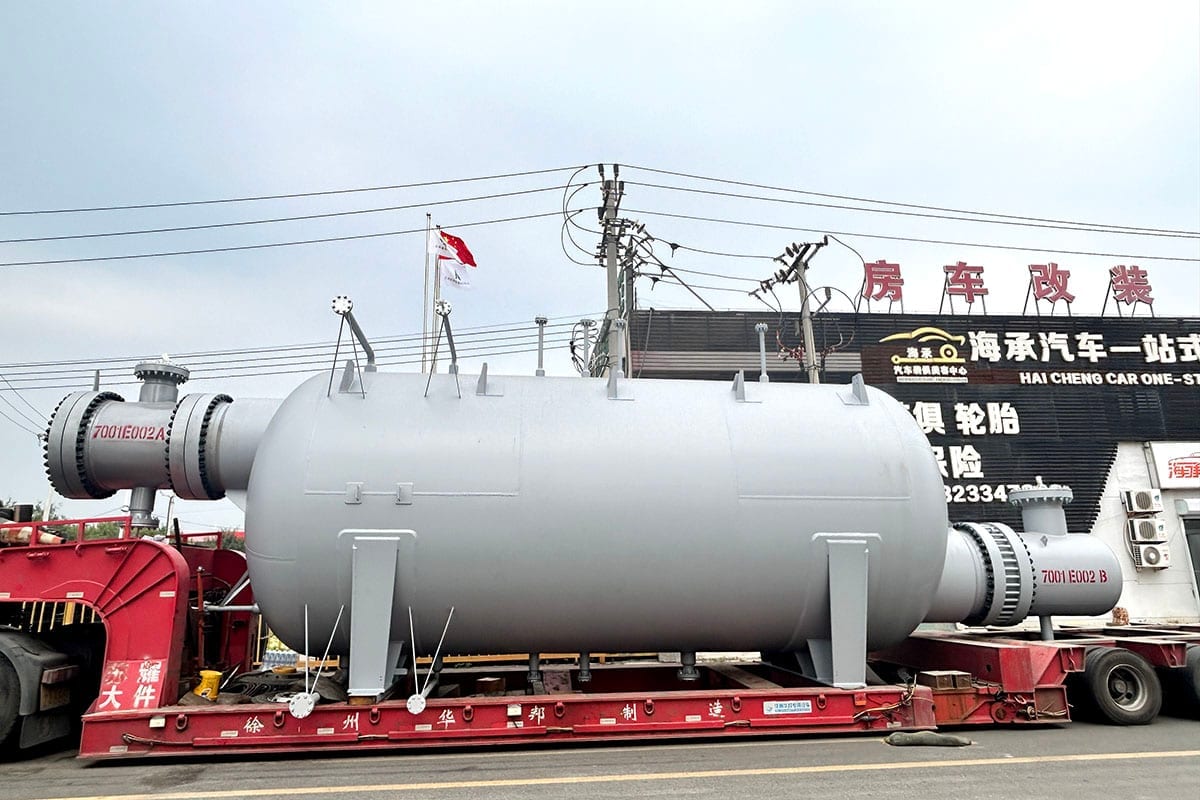
Heat Exchanger Portal - Case Study - Enterprise Software Project - Remote Consultant

Heat Exchanger Portal

Enterprise microservices platform with .NET Core, processing 2.5M data points daily with Docker and OpenShift orchestration.

.NET CoreMicroservicesDockerOpenShift
Data Processing2.5M daily
Gamified Employee Management - Case Study - Enterprise Software Project - Remote Consultant

Gamified Employee Management

Microservices architecture with Azure Service Fabric, multiple independent services for gamification, leaderboards, analytics, and multi-tenant support with complete data isolation.

Azure Service FabricMicroservices.NET CoreAzure
Services10+ microservices
G5 POS - Case Study - Enterprise Software Project - Remote Consultant

G5 POS

Restaurant management system with microservices architecture for order processing, inventory, kitchen display, and reporting services across 50+ locations.

Microservices.NET CoreAngularAzure
Locations50+

⚙️Frequently Asked Questions

What is microservices architecture?
When should I use microservices architecture?
What technologies do you use for microservices?
Can you help migrate from monolithic to microservices?
How do you handle service communication in microservices?
What about data management in microservices?

contact
Get Started

Get Started - Remote Consultant Services - Available USA, Europe, Global

The right decomposition and boundaries make microservices maintainable instead of a distributed monolith. For architects and tech leads, clear service contracts and operational patterns reduce long-term cost. If you would like to explore a microservices approach, reach out to discuss your current architecture and goals.